
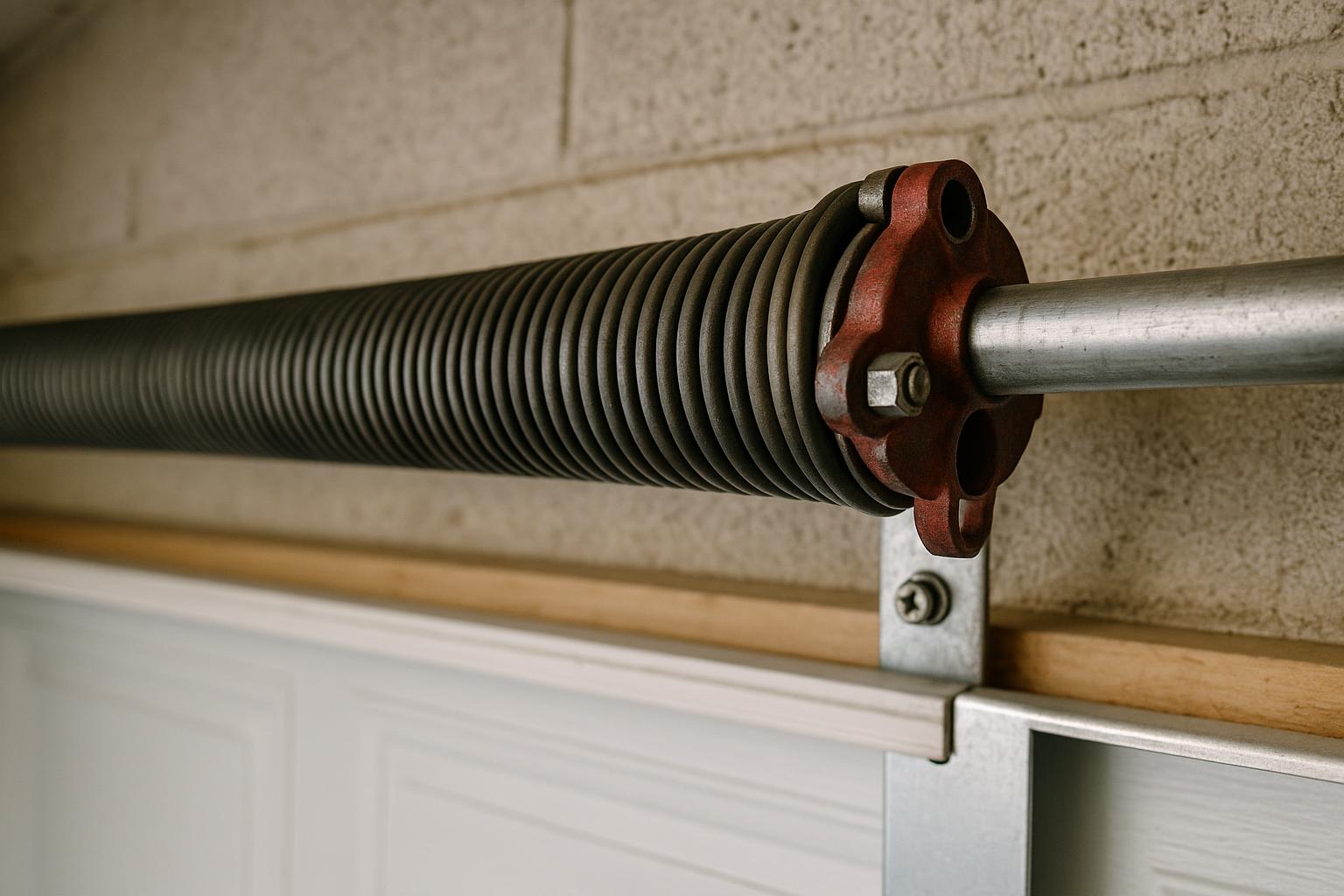
Your Garage Door Springs Are Working Harder Than You Think
Every time you open or close your garage door, the springs do the heavy lifting — literally. A standard two-car garage door can weigh between 150 and 250 pounds, and it's the springs that bear that load, not the opener. Over time, those springs wear down, and when they fail, your door becomes inoperable or even dangerous.
For homeowners in Lawrenceburg and the surrounding Anderson County area, understanding when to replace your garage door springs can save you from unexpected breakdowns, costly emergency repairs, and potential safety hazards. Let's break down everything you need to know about garage door spring lifespan, warning signs, and replacement.
How Long Do Garage Door Springs Last?
Garage door springs are rated by cycles. One cycle equals one full open and one full close of the door. The most common types of springs and their typical lifespans include:
- Standard torsion springs: Rated for approximately 10,000 cycles, which translates to roughly 7 to 10 years for the average household that opens and closes the door 3 to 4 times per day.
- High-cycle torsion springs: Available in 25,000 to 100,000 cycle ratings. These are a smart investment if you use your garage door frequently or want to avoid replacing springs for decades.
- Extension springs: Typically last around 10,000 cycles as well, but they tend to wear less evenly than torsion springs and may need attention sooner.
If your home in Lawrenceburg has a garage door that gets heavy daily use — maybe you use it as your primary entrance or have multiple drivers coming and going — your springs could wear out faster than average.
Warning Signs Your Springs Are Wearing Out
Springs rarely fail without giving some advance warning. Here are the key signs to watch for:
1. The Door Feels Heavier Than Usual
Try disconnecting the opener and lifting the door manually. If it feels significantly heavier than it used to or won't stay open on its own about three to four feet off the ground, your springs are losing tension. A properly balanced door should feel relatively light and stay in place when partially opened.
2. The Door Opens Unevenly
If one side of your garage door rises faster than the other, one spring may be weaker or close to breaking. This uneven movement puts extra strain on your opener, tracks, and cables, which can lead to additional repairs down the road.
3. Visible Gaps in the Spring
Torsion springs are mounted on a metal shaft above the door. If you notice a visible gap or separation in the coils, the spring has already broken and needs immediate replacement. Do not attempt to operate the door if you see this.
4. The Opener Struggles or Stops Working
When springs weaken, your garage door opener has to work much harder to lift the door. You might notice the motor straining, the door reversing partway up, or the opener shutting off entirely. Many homeowners assume the opener is the problem when it's actually the springs that need attention.
5. The Door Slams Shut Quickly
A door that drops faster than normal when closing is a serious safety concern. This usually means the springs can no longer control the weight of the door during descent. If you notice this, stop using the door and call a professional right away.
Can You Replace Garage Door Springs Yourself?
We understand the DIY spirit — it's strong here in Lawrenceburg. But garage door spring replacement is one job we strongly recommend leaving to the professionals. Here's why:
- Extreme tension: Torsion springs are wound under tremendous force. A spring that releases unexpectedly can cause severe injury or even death.
- Specialized tools required: Proper replacement requires winding bars, clamps, and precise calibration that most homeowners don't have on hand.
- Incorrect installation risks: Springs that are wound too tightly or too loosely will cause the door to malfunction, potentially damaging the opener, cables, or the door itself.
A trained technician can complete the job safely in about an hour, and you'll have the peace of mind that comes with knowing it was done correctly.
Should You Replace One Spring or Both?
If your garage door uses two torsion springs — which is common for double-car doors — we almost always recommend replacing both at the same time, even if only one has broken. The reasoning is straightforward: both springs were installed at the same time, so they've experienced the same number of cycles. If one has failed, the other is likely close behind.
Replacing both springs at once also ensures your door stays balanced and saves you from paying for a second service call in the near future. It's a small additional investment that pays for itself quickly.
How to Extend the Life of Your Garage Door Springs
While springs will eventually wear out no matter what, regular maintenance can help you get the most out of them:
- Lubricate the springs twice a year with a silicone-based garage door lubricant. This reduces friction and prevents rust, which weakens the metal over time.
- Schedule annual maintenance inspections. A professional can check spring tension, balance, and overall condition before small issues become big problems.
- Consider upgrading to high-cycle springs during your next replacement. The upfront cost is higher, but you may never need to replace them again.
- Keep the door balanced. If you notice any signs of imbalance, address them promptly to prevent uneven wear on the springs.
What to Expect During a Spring Replacement
When you call a garage door professional in Lawrenceburg for spring replacement, here's what typically happens:
- The technician inspects the entire door system, including cables, rollers, hinges, and the opener.
- The old springs are safely unwound and removed.
- New springs are installed and calibrated to match the weight and size of your specific door.
- The door is tested for proper balance and smooth operation.
- The technician makes any additional adjustments needed to ensure everything is working correctly.
The whole process usually takes about 45 minutes to an hour, and you can use your door again immediately afterward.
Don't Wait for a Breakdown
A broken garage door spring is one of the most common service calls we handle at Lawrenceburg Garage Door, and it's almost always preventable with regular attention. If your springs are approaching the 7 to 10 year mark, or if you've noticed any of the warning signs we've described, now is the time to have them inspected.
Whether you're in Lawrenceburg, Versailles, Frankfort, or anywhere in the surrounding area, our team is here to help keep your garage door operating safely and reliably. Give us a call to schedule a spring inspection or replacement — before a broken spring catches you off guard on a busy morning.