
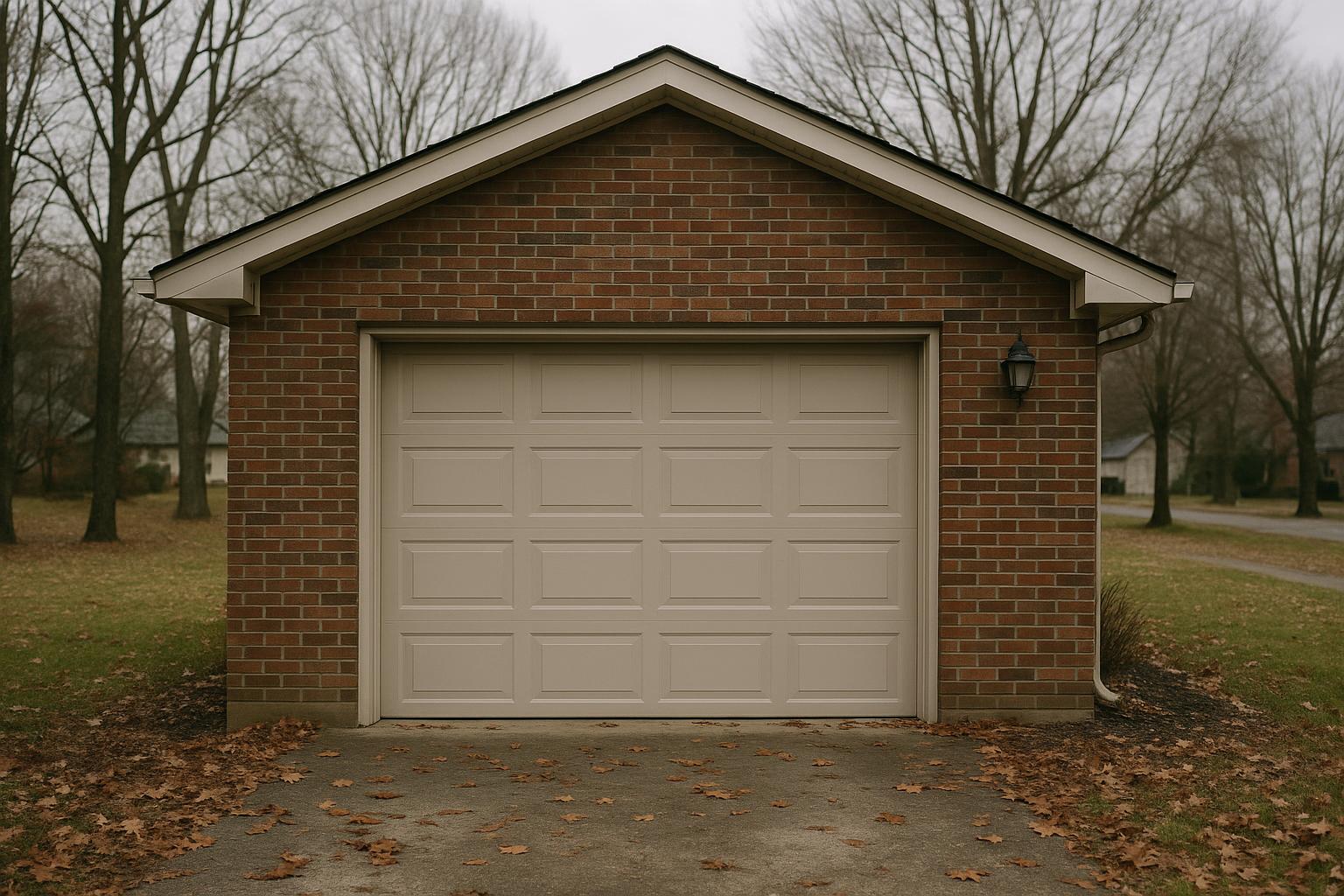
Why Winter Is Tough on Garage Doors
As temperatures drop across Lawrenceburg and the surrounding Anderson County area, your garage door faces a unique set of challenges. Metal components contract in the cold, lubricants thicken and lose their effectiveness, and weatherstripping can crack or pull away from the frame. Without proper preparation, these issues can lead to a garage door that sticks, operates sluggishly, or fails altogether — often at the worst possible time.
The good news is that most winter-related garage door problems are entirely preventable. A little maintenance before the cold sets in can save you from emergency repair calls, higher energy bills, and unnecessary frustration throughout the season.
How Cold Weather Affects Your Garage Door System
Understanding what the cold actually does to your garage door helps explain why seasonal maintenance matters so much. Here are the most common ways winter weather impacts your system:
- Metal contraction: Springs, tracks, and hinges are all made of metal. When temperatures drop, metal contracts slightly, which can throw off the balance and alignment of your door. This puts extra strain on your opener and can cause premature wear on critical components.
- Thickened lubricant: The grease and oil that keep your garage door operating smoothly can become thick and sticky in cold weather. This creates more friction, makes the door harder to open and close, and forces the opener motor to work harder than it should.
- Weatherstripping deterioration: The rubber seals along the bottom and sides of your garage door can become brittle and crack in freezing temperatures. Once compromised, cold air, moisture, and even pests can find their way into your garage.
- Condensation and rust: Temperature fluctuations can cause condensation to form on metal parts, leading to rust and corrosion over time. This is especially common on springs and tracks that don't receive regular attention.
- Frozen door seals: If moisture collects under the bottom seal and freezes overnight, your garage door can literally freeze to the ground. Forcing it open in this condition can damage the seal, the door panels, or even the opener.
A Pre-Winter Garage Door Maintenance Checklist
You don't need to be a professional to handle some basic seasonal maintenance. Here's a checklist that Lawrenceburg homeowners can follow to get their garage door ready for colder months:
1. Visually Inspect All Hardware
Take a few minutes to look over the springs, cables, rollers, hinges, and tracks. Look for signs of rust, fraying, or wear. If anything looks damaged or worn, it's best to have a professional take a closer look before winter arrives.
2. Lubricate Moving Parts
Apply a silicone-based or lithium-based garage door lubricant to the springs, hinges, rollers, and tracks. Avoid using WD-40 as a long-term lubricant — it's a solvent, not a true lubricant, and it won't hold up in cold weather. A proper garage door lubricant will keep things moving smoothly even when temperatures dip below freezing.
3. Test the Door's Balance
Disconnect the opener by pulling the release handle, then manually lift the door halfway. A properly balanced door should stay in place on its own. If it slides up or down, the springs may need adjustment. This is a job best left to a trained technician, as garage door springs are under extreme tension and can be dangerous to work with.
4. Check and Replace Weatherstripping
Run your hand along the bottom seal and the weatherstripping on the sides and top of the door. If you feel air coming through or notice cracks and gaps, it's time for a replacement. New weatherstripping is relatively inexpensive and makes a noticeable difference in keeping cold air out of your garage — which also helps protect anything stored inside, from vehicles to pipes.
5. Clean the Tracks
Wipe down the inside of the tracks with a damp cloth to remove dirt, debris, and any buildup that could interfere with smooth operation. Avoid using lubricant directly inside the tracks, as this can cause the rollers to slide instead of rolling properly.
6. Test the Auto-Reverse Safety Feature
Place a small object like a block of wood on the ground in the door's path and close it. The door should automatically reverse when it contacts the object. If it doesn't, the safety sensors or the opener's force settings may need adjustment. This is a critical safety feature, especially in homes with children or pets.
7. Inspect the Opener
Listen to your garage door opener as it runs. If it sounds strained, vibrates excessively, or operates more slowly than usual, it may need servicing. Cold weather will only make existing opener issues worse, so addressing them now can prevent a breakdown later.
When to Call a Professional
While basic maintenance tasks like lubrication and visual inspections are safe for homeowners to handle, some jobs require professional expertise. You should call a garage door technician if you notice:
- Broken or visibly damaged springs
- Frayed or loose cables
- A door that's significantly off-balance
- Persistent issues with the opener despite troubleshooting
- Panels that are cracked, dented, or warped
Attempting to repair springs or cables on your own is dangerous and can result in serious injury. A qualified technician has the tools and training to handle these repairs safely and efficiently.
The Energy Efficiency Factor
Many homeowners in Lawrenceburg don't realize how much heat they lose through a poorly maintained or uninsulated garage door. If your garage is attached to your home, cold air seeping through gaps in the door can make your heating system work harder and drive up your energy bills.
Pre-winter maintenance — especially replacing worn weatherstripping and ensuring a tight seal — can make a meaningful difference in your home's overall energy efficiency. If your current door lacks insulation entirely, it may be worth considering an upgrade to an insulated model, which can help regulate the temperature inside your garage year-round.
Don't Wait Until Something Breaks
The most expensive garage door repairs are almost always the ones that could have been prevented. A spring that snaps in January, an opener that burns out during a cold snap, or a door that freezes shut on a Monday morning — these are the kinds of problems that seasonal maintenance is designed to avoid.
If you're in Lawrenceburg, Versailles, Frankfort, or anywhere in the surrounding area, scheduling a professional maintenance visit before winter is one of the simplest ways to protect your investment and keep your garage door operating reliably all season long. At Lawrenceburg Garage Door, we offer thorough maintenance services that cover every component of your system, so you can head into winter with confidence.
Have questions or ready to schedule a maintenance appointment? Give us a call — we're always happy to help our neighbors keep things running smoothly.