
That Noise Isn't Normal — Here's What Your Garage Door Is Telling You
You press the button on your garage door opener, and instead of the smooth hum you're used to, you hear grinding, squealing, popping, or banging. It's easy to ignore at first — maybe it's just the cold weather, right? But strange garage door noises are almost always a sign that something needs attention, and ignoring them can lead to costly repairs or even a dangerous failure.
If you're a homeowner in Lawrenceburg and your garage door has started making unusual sounds, this guide will help you identify what's going on and decide whether it's a quick DIY fix or time to call in a professional.
Common Garage Door Noises and What They Mean
Squealing or Screeching
A high-pitched squeal when your garage door opens or closes is one of the most common complaints we hear from homeowners in the Lawrenceburg area. This sound usually points to one of a few issues:
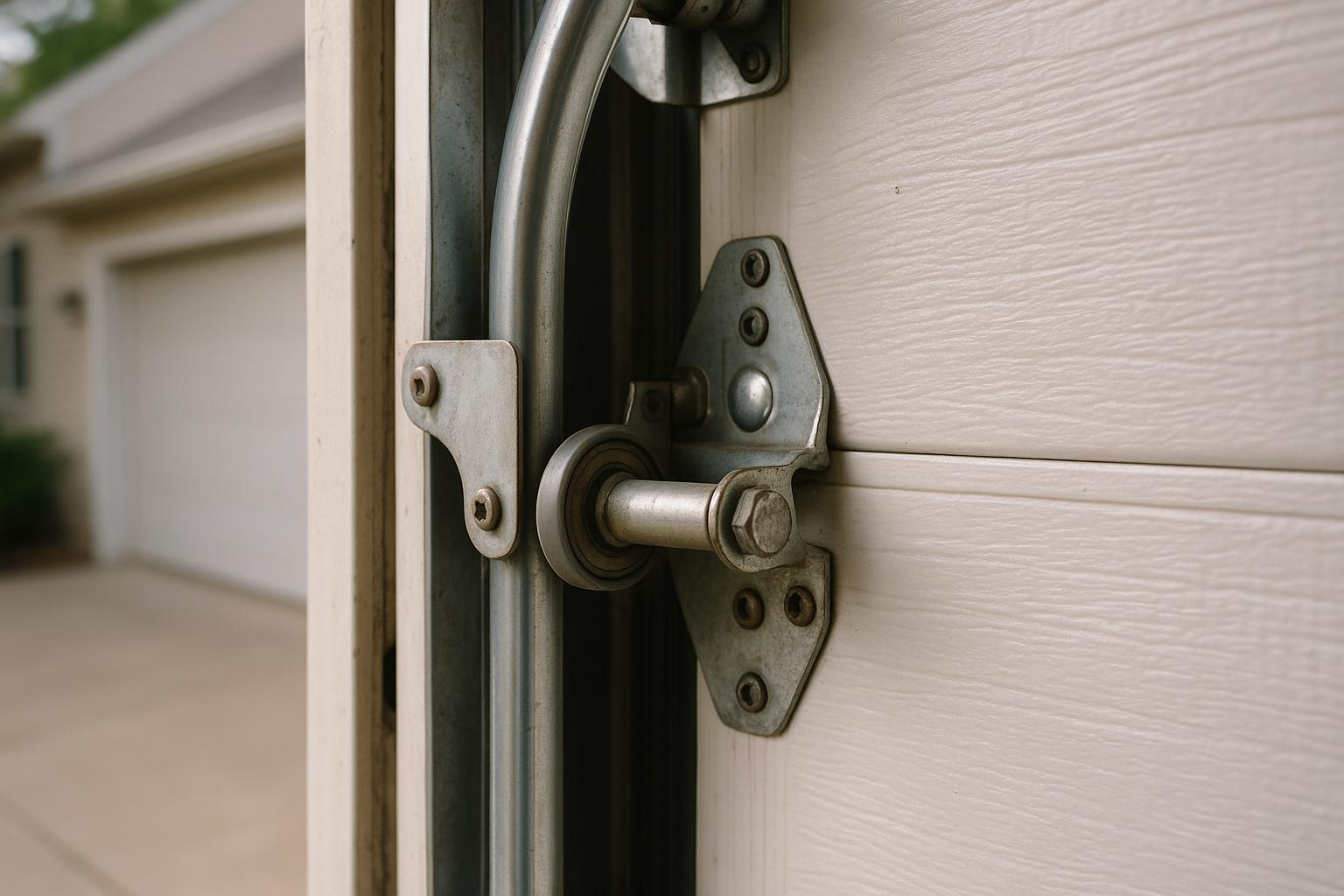
- Dry or worn rollers: Metal rollers running along dry tracks create friction that produces that unmistakable screech. Nylon rollers tend to be much quieter, and upgrading to them is a popular fix.
- Lack of lubrication: Your garage door's moving parts — hinges, springs, rollers, and tracks — need periodic lubrication to operate smoothly. A silicone-based or lithium-based garage door lubricant can often quiet things down quickly.
- Worn-out bearings: The bearings inside the rollers or the torsion spring tube can wear out over time, creating a squealing noise that lubrication alone won't fix.
Grinding or Scraping
A grinding sound is more concerning than a squeal. It typically means metal is rubbing against metal in a way it shouldn't be. Common causes include:
- Misaligned tracks: If your garage door tracks have shifted even slightly, the door can scrape against them as it moves. This not only creates noise but can damage the door panels over time.
- Worn gears in the opener: Many chain-drive and belt-drive garage door openers use a set of gears to operate. When these gears strip or wear down, you'll hear a grinding noise, and eventually the opener will stop lifting the door entirely.
- Debris in the tracks: Leaves, dirt, small rocks, and even insects can accumulate in your garage door tracks, especially here in Anderson County where outdoor debris is common during spring and fall.
Loud Banging or Popping
A sudden bang or pop when the door moves is one of the more alarming sounds you can hear. Here's what might be happening:
- Broken torsion spring: If you hear a single loud bang — almost like a gunshot — coming from your garage when you're not even using the door, there's a good chance a torsion spring has snapped. This is a serious issue that requires immediate professional repair. A broken spring is under extreme tension and is dangerous to handle without proper tools and training.
- Loose hardware: Over time, the nuts, bolts, and brackets on your garage door can loosen due to the constant vibration of daily use. Loose parts can cause popping or rattling sounds as the door moves.
- Panel issues: If a panel has become warped, cracked, or shifted, it can pop or bang as the door tries to travel along the tracks.
Rattling or Vibrating
A persistent rattle usually isn't a sign of a major problem, but it is annoying and worth addressing. The most common causes are:
- Loose chain on the opener: If you have a chain-drive garage door opener, the chain can loosen over time and slap against the rail, creating a rattling noise.
- Loose support brackets or track hardware: The brackets that hold your tracks to the wall and ceiling can work themselves loose, especially in older homes around Lawrenceburg where settling has occurred over the years.
- Vibration from the opener unit: Sometimes the opener itself vibrates against the ceiling mount. Anti-vibration pads can help reduce this noise significantly.
Simple Fixes You Can Try at Home
Before you pick up the phone, there are a few safe things you can try on your own:
- Lubricate all moving parts: Use a garage door-specific lubricant on the rollers, hinges, springs, and tracks. Avoid using WD-40, which is a solvent and not a long-term lubricant.
- Tighten loose hardware: Grab a socket wrench and check all the bolts and nuts on the door's hinges, brackets, and track supports. Tighten anything that feels loose.
- Clear the tracks: Wipe down the inside of both tracks with a damp cloth to remove dirt and debris. Make sure nothing is obstructing the door's path.
- Inspect the rollers: Look at each roller for signs of wear, cracking, or chipping. If they're visibly damaged, they'll need to be replaced.
These simple maintenance steps can resolve many minor noise issues and are good habits to practice a few times a year regardless.
When to Call a Professional
Some garage door problems are too dangerous or complex for a DIY approach. You should call a professional garage door technician if:
- You suspect a broken spring — never attempt to replace torsion springs yourself
- The door is visibly off-track or sagging to one side
- The opener's internal gears are grinding or the motor runs but the door doesn't move
- You've tried basic maintenance and the noise persists or gets worse
- The door feels unusually heavy when you try to lift it manually
At Lawrenceburg Garage Door, we see these issues regularly in homes throughout Lawrenceburg, Versailles, Frankfort, and the surrounding communities. Most noise-related problems can be diagnosed quickly during a service call, and many repairs can be completed the same day.
Prevention Is the Best Strategy
The best way to avoid unexpected garage door noises — and the repairs that come with them — is regular maintenance. We recommend having your garage door professionally inspected and serviced at least once a year. During a maintenance visit, a technician will lubricate all moving parts, check spring tension, inspect rollers and cables, tighten hardware, and test the safety features on your opener.
Think of it like an oil change for your car. A small investment in maintenance now can prevent a major breakdown later — and keep your mornings peaceful and quiet when you head out to work.
Don't Ignore the Warning Signs
Your garage door is one of the largest moving parts of your home, and it works hard every single day. When it starts making strange noises, it's communicating that something needs your attention. Whether it's a simple lubrication fix or a spring that's about to fail, addressing the problem early saves you money, protects your family's safety, and extends the life of your door.
If your garage door has been making noises that concern you, give Lawrenceburg Garage Door a call. We're here to help homeowners in Lawrenceburg and across Anderson County keep their garage doors running safely and quietly.